
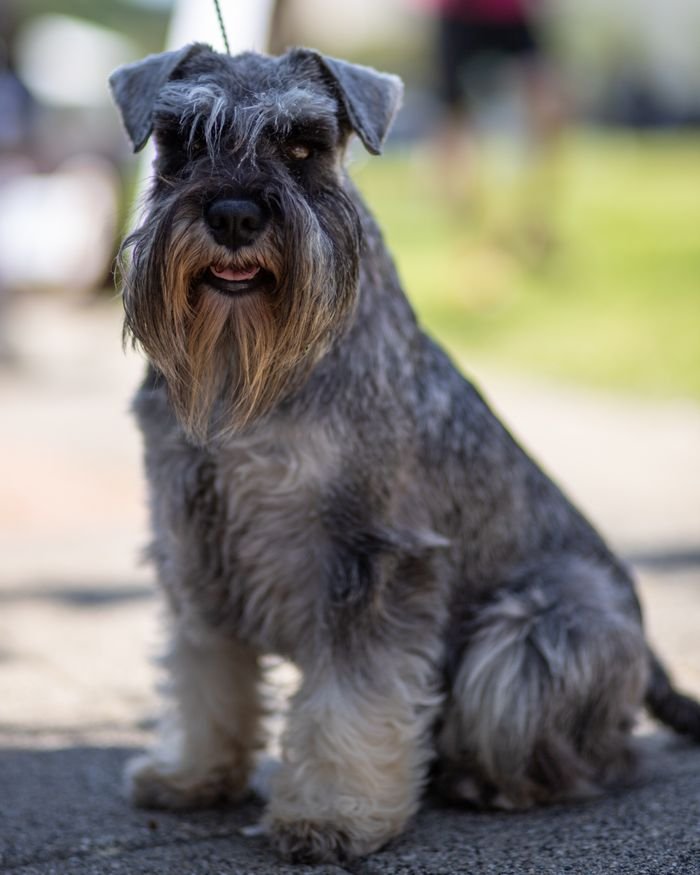
A Schnauzer rarely enters a room quietly. Those bushy eyebrows, bold beard, and serious expression make the breed look like a tiny professor with a secret agenda. Yet behind that dignified face lives an energetic, playful, and often hilarious companion.
We created this guide for people who want more than a quick breed summary. Whether you already share your home with one or simply love these distinctive dogs, we will cover the essentials. We will explore the three Schnauzer breeds, their history, personality, coat, exercise needs, grooming, colors, and everyday care.
What Is a Schnauzer?
The Schnauzer is a German dog breed known for its wiry coat, beard, eyebrows, and alert personality. The name comes from the German word “Schnauze,” meaning snout or muzzle. That name makes perfect sense once you see the breed’s unmistakable face.
Today, the Schnauzer family includes the Standard Schnauzer, Miniature Schnauzer, and Giant Schnauzer. They represent three separate breeds rather than three size versions of one breed. Each developed for different working roles, although they share many physical and behavioral traits.
A German Working Dog With Character
Schnauzers originated in Germany and developed as practical working dogs. Farmers valued them for guarding property, moving livestock, and controlling vermin. Their intelligence made them useful around farms, while their confidence helped them handle unfamiliar situations.
The Standard variety formed the foundation for the other two types. Historical records and artwork show Schnauzer-like dogs in Germany centuries ago. However, organized breed development accelerated during the 19th century, when breeders began defining appearance and working characteristics more carefully.
The first German breed standard appeared in 1884. Dog shows also helped establish a recognizable type, with an early Schnauzer winning first prize at a German show in 1879. Suddenly, the practical farm dog had another job: looking fabulous under judging lights.
Why Did Schnauzers Catch Rats?
Before becoming beloved family pets, these dogs had serious work to do. Farmers needed dogs that could catch rats, mice, and other pests around barns, homes, and livestock areas. Schnauzers brought the courage and athleticism required for that job.
Their facial furnishings also served a practical purpose. The beard and thick hair around the face could offer some protection during encounters with vermin. Their wiry outer coat provided additional protection while working outdoors.
That history still matters today. A modern Schnauzer may spend its afternoon sleeping on the sofa, but its brain often remembers that something interesting might be hiding behind the refrigerator.
The Three Schnauzer Breeds Explained
When people search for a Schnauzer, they often imagine the Mini Schnauzer. However, the breed family includes three distinct dogs. Understanding their differences can help future pet owners choose the right companion.
Standard Schnauzer
The Standard Schnauzer represents the original size and type. It sits between the Miniature and Giant varieties in physical size. Historically, it worked as a farm dog, guardian, herder, and vermin hunter.
The Standard has a confident and intelligent personality. It usually needs meaningful interaction rather than endless lounging. Training, games, walks, and problem-solving activities can keep its busy mind satisfied.
We especially like the Standard for owners who want an active but manageable working dog. It can fit family life beautifully when owners understand its energy level and independence.
Miniature Schnauzer
The Miniature Schnauzer developed from smaller Standard Schnauzers combined with other small German breeds. Historical sources connect its development with dogs such as the Affenpinscher and Miniature Poodle. Breeders wanted a smaller dog capable of handling rodents around homes and farms.
The result became one of the most recognizable small companion breeds. The Mini Schnauzer combines a compact body with plenty of confidence. Don’t let its size fool you; this dog often behaves as though it owns the entire neighborhood.
Miniatures generally enjoy daily walks, play, training, and family interaction. The American Kennel Club notes that around an hour of physical activity can suit many Miniature Schnauzers. Individual needs still vary according to age, health, and personality.
Giant Schnauzer
The Giant Schnauzer is the largest member of the group. It developed in Germany as a powerful working and cattle-driving dog. Historical accounts connect the breed with Upper Bavaria and later Munich.
The Giant brings more physical power and a stronger guarding presence. It can become an impressive family companion, but it requires responsible handling and structured training. This is not the dog we would recommend for someone who wants a low-effort pet.
A Giant needs room to move and a job for its brain. Without enough structure, its intelligence can become a creative problem-solving machine. Unfortunately, that machine may decide that your furniture needs redesigning.
Schnauzer Appearance, Coat, and Colors
Few breeds have such a recognizable silhouette. The beard, eyebrows, rectangular head, and sturdy body create the classic Schnauzer appearance. The coat also reflects the breed’s working heritage.
The Wiry Double Coat
A healthy Schnauzer typically has a wiry double coat consisting of a harsh outer layer and a softer undercoat. The coat gives the dog its distinctive texture and helps protect it from weather and rough working conditions.
Coat maintenance requires commitment. Regular grooming helps control dead hair, maintain texture, and keep the beard and furnishings manageable. Owners who prefer a perfectly neat dog should prepare for some maintenance.
The beard deserves special attention. Food and water can easily turn those distinguished facial furnishings into a surprisingly messy kitchen mop. Gentle cleaning can keep the face comfortable and presentable.
Salt and Pepper
Salt and pepper remains one of the classic Schnauzer color patterns. Individual hairs can show different shades, creating the characteristic blended appearance.
The exact visual effect can vary with age, coat texture, and grooming technique. Puppies may also look different as their adult coat develops. Therefore, don’t judge a young dog’s final appearance too quickly.
Black and Silver and Solid Black
Black and silver creates strong contrast around the face, body, and furnishings. The pattern has become particularly familiar among Miniature Schnauzer enthusiasts.
Solid black is another recognized color in several Schnauzer standards. The FCI lists pepper and salt, pure black, and black and silver among recognized varieties for relevant Schnauzer breeds.
You may also encounter descriptions such as “black and black and silver” in informal searches. However, owners should rely on the official breed standard when evaluating color terminology. Breed standards can differ between organizations and countries.
Schnauzer Personality and Energy Level
A Schnauzer can look stern while behaving like an enthusiastic comedian. That contrast forms much of the breed’s charm. They often combine confidence, curiosity, intelligence, and strong attachment to their families.
Their historical working roles help explain this personality. A dog bred to guard property and hunt vermin needed to notice changes quickly. It also needed enough confidence to act without waiting for a human manager.
Smart, Alert, and Sometimes Stubborn
Schnauzers usually learn quickly. Unfortunately, quick learning works both ways. They can learn useful commands, but they can also learn exactly which behavior gets attention.
We recommend short, positive training sessions. Reward-based methods can make learning enjoyable while keeping the dog engaged. Repetition helps, but variety matters too.
A Schnauzer may occasionally test your patience. When that happens, remember that the dog probably isn’t plotting against you. It may simply have discovered a more interesting idea.
Daily Exercise Matters
Daily exercise should form part of every Schnauzer’s routine. The right amount depends on the individual dog’s size, age, health, and temperament.
A useful routine can include:
- Morning or evening walks
- Interactive games
- Obedience training
- Scent games
- Fetch
- Agility exercises
- Puzzle toys
- Safe off-leash activity where appropriate
Exercise should involve the brain as well as the body. A tired Schnauzer often becomes a calmer Schnauzer, which can make everyone’s evening better.
Family Life and Socialization
Many Schnauzers form strong bonds with their families. They often enjoy participating in household activities rather than being ignored in another room. That social connection can become one of their greatest strengths.
Early socialization remains important. Puppies should gradually experience different people, environments, sounds, surfaces, and appropriate dogs. Controlled exposure can help build confidence without overwhelming the young dog.
We also encourage owners to respect the breed’s alert nature. A Schnauzer may notice the delivery driver before you do. That’s part of the package.
Grooming and Everyday Schnauzer Care
The Schnauzer’s stylish appearance does not happen by accident. Maintaining the beard, eyebrows, furnishings, and body coat takes regular effort. Owners should treat grooming as routine care rather than an occasional emergency.
Grooming the Coat
A grooming schedule depends on the coat and the desired appearance. Dogs competing in a dog show often receive more specialized grooming than ordinary family pets.
Pet owners can usually focus on cleanliness, comfort, coat health, and preventing mats. Brushing helps remove loose material and keeps the furnishings manageable. Professional grooming can also help maintain the traditional outline.
Some owners choose clipping for convenience. Others prefer techniques that preserve a harsher coat texture. Your grooming professional can explain the practical differences.
Caring for the Beard
The beard can collect food, moisture, dirt, and everything else it encounters. Regular cleaning helps prevent unpleasant buildup. We recommend gently checking the facial hair after meals, especially when the dog eats wet food.
The eyebrows also deserve occasional attention. Hair should not interfere with comfortable vision. Your groomer can shape the furnishings while maintaining the breed’s recognizable expression.
Ears, Nails, Teeth, and Paws
A complete grooming routine goes beyond the coat. Check the ears regularly and watch for unusual odor, redness, or discharge. Trim nails before they become excessively long.
Dental care also deserves a place in the weekly routine. Regular brushing can help support oral health, while veterinary dental checks provide professional monitoring.
Finally, inspect the paws after outdoor adventures. Schnauzers are active dogs, so small irritations can become annoying problems if nobody notices them.
Choosing the Right Schnauzer for Your Home
The best Schnauzer depends on your lifestyle, not simply your favorite appearance. A small home does not automatically rule out a Schnauzer, but energy and training requirements still matter. Likewise, a large yard does not replace human interaction.
Consider these questions before bringing one home:
- How much exercise can we provide each day?
- How much grooming can we manage?
- Do we enjoy training dogs?
- Can we provide regular mental stimulation?
- How much time will the dog spend alone?
- Do we have experience with energetic working breeds?
- Are all household members comfortable with an alert dog?
The Miniature Schnauzer may suit people seeking a smaller active companion. The Standard can appeal to owners who want a medium-sized working dog. The Giant usually suits experienced owners who can handle greater strength, exercise demands, and guarding instincts.
No variety automatically makes a perfect family dog. The right match depends on your routines, expectations, experience, and willingness to invest time.
Schnauzer Health, Training, and Responsible Ownership
Responsible ownership begins before the puppy arrives. We should research breeders, ask about health testing, observe the parents when possible, and learn about the breed’s needs. Rescue organizations can also offer Schnauzers looking for new homes.
Training should begin early. Simple skills such as name recognition, recall, leash walking, settling, and polite greetings create a strong foundation.
We also recommend working closely with a veterinarian. Veterinary care can help identify health concerns early and create an appropriate vaccination, parasite prevention, nutrition, and wellness plan.
What Makes a Schnauzer Special?
The breed’s appeal goes beyond appearance. Schnauzers combine an unusual look with a fascinating working history and lively personality. They can be protective without losing their playful side.
Their facial expression may suggest a dog that spends evenings reading philosophy. In reality, your Schnauzer may spend those evenings chasing a toy and barking at a suspicious leaf.
That combination keeps life interesting.
Final Thoughts for Schnauzer Owners
Our goal at SchnauzerBest is simple: help owners understand these remarkable dogs before small problems become big ones. The better we understand their history, instincts, coat, energy level, and personality, the easier it becomes to build a happy relationship.
From the original farm worker to the modern family companion, the Schnauzer has changed dramatically. Yet the core traits remain familiar: intelligence, confidence, athleticism, alertness, and plenty of personality.
Whether you choose a Miniature, Standard, or Giant, expect a dog that wants to participate. Give your companion exercise, training, grooming, structure, and affection. In return, you will likely receive a loyal friend with an impressive beard and an opinion about almost everything.
That is the magic of living with a Schnauzer.