Schnauzers have a look that gets attention. Their eyebrows, beard, and wiry coat give them a serious expression. Yet we know there is much more beneath that famous face. At SchnauzerBest, we love how these dogs combine personality, intelligence, energy, and loyalty.
Understanding schnauzer breed characteristics helps us choose the right dog for our lifestyle. It also helps us understand why these dogs behave the way they do. From a lively schnauzer puppy to a calmer middle aged companion, each stage brings something different.
What Are the Main Schnauzer Characteristics?
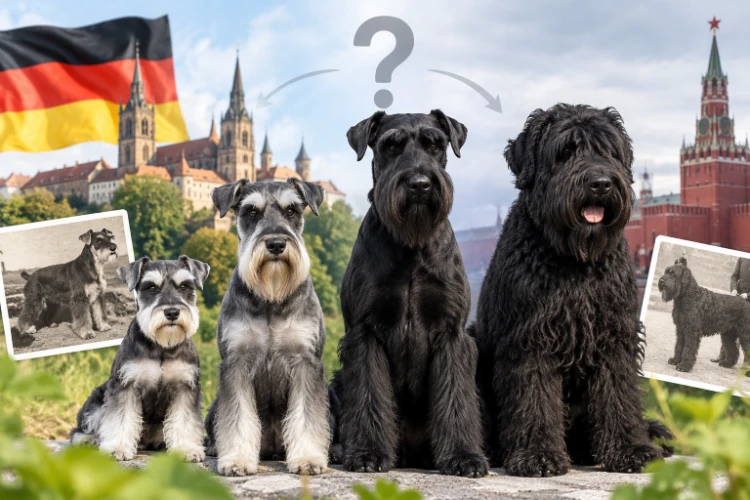
The characteristics of a schnauzer reflect its history as a practical working dog. Schnauzers originally performed jobs such as guarding property and controlling pests. Today, they often live as family pets, but those instincts still appear in daily life.
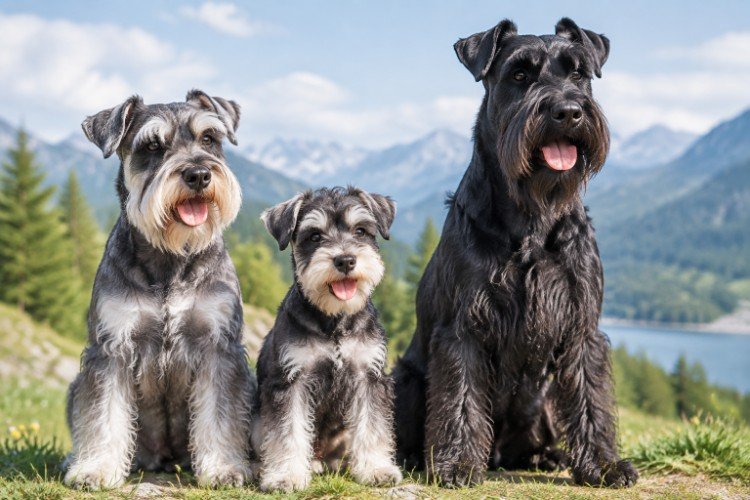
The three main varieties have different sizes and energy levels. Miniature Schnauzers suit many homes because they offer a compact size with plenty of personality. The giant schnauzer brings more strength, confidence, and physical power. All three varieties share several important traits:
- Alert and observant behavior
- Strong intelligence
- Loyalty toward their families
- Moderate to high energy
- A distinctive wiry double coat
- Strong protective instincts
- A desire for mental stimulation
- Good potential for training
These schnauzer dog characteristics can make life exciting. They can also keep us on our toes!
Schnauzer Temperament: Alert, Loyal and Eager to Please
A typical Schnauzer combines confidence with affection. Many enjoy staying close to their people while still watching everything around them. Their history as a guard dog explains some of that alert behavior.
Are Schnauzers Friendly Family Dogs?
With good socialization, Schnauzers can become wonderful family pets. They often form strong bonds with their owners and enjoy participating in household activities. We rarely describe them as dogs that simply sit quietly in the corner.
They may bark when something seems unusual. They may also investigate every new sound, visitor, or delivery. That curiosity can become funny once we realize the “security team” takes the mail very seriously.
How Does Socialization Affect Temperament?
Early socialization helps a young dog develop confidence. We recommend introducing a schnauzer puppy to different people, environments, sounds, and safe animals. Positive experiences can reduce fear and improve everyday behavior.
Training should continue throughout life. Consistency matters more than harsh corrections. Positive reinforcement usually gives us a clearer and happier training relationship.
Schnauzer Intelligence and Trainability
Schnauzers are smart dogs with a strong ability to learn patterns. They can understand routines quickly and often notice changes in their environment. Their intelligence makes training rewarding, but it can also create amusing challenges.
Why Can Training Feel Challenging?
A clever dog does not always mean an obedient dog. Schnauzers may understand a command perfectly and still decide that another idea sounds better. We call this “creative thinking,” although our shoes may disagree.
Short training sessions often work well. Keep lessons interesting and reward useful behavior immediately. Puzzle toys, scent games, obedience exercises, and trick training can provide a high level of mental stimulation.
Coat Characteristics and Grooming Needs
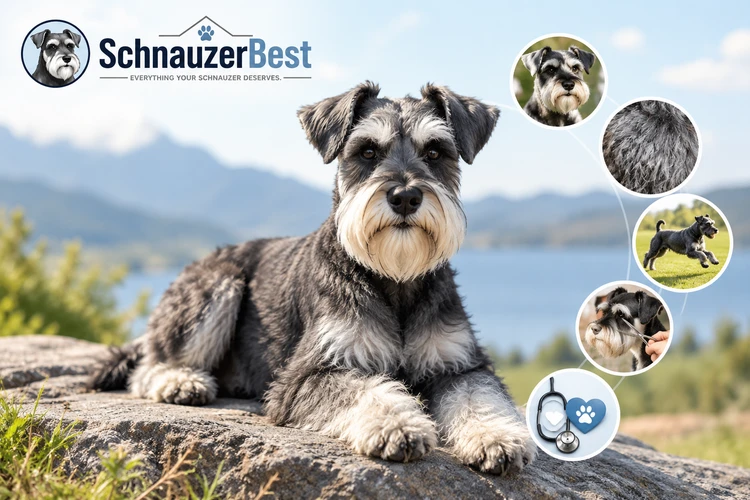
One of the most recognizable physical traits involves the wiry double coat. The outer coat feels firm and textured, while the undercoat provides additional insulation. Coat texture can vary between individual dogs and grooming styles.
Cutting a Schnauzer: What Owners Should Know
Regular grooming helps maintain the coat and the classic appearance. Cutting a schnauzer can change how the face and body look dramatically. Professional grooming can help owners maintain the desired shape without damaging the coat.
Many owners schedule grooming every few weeks. Brushing at home can help prevent tangles and remove loose material. We also recommend checking the beard after meals because that impressive facial hair can become a tiny food museum.
Other Grooming Tasks
A grooming routine should cover more than the coat. Owners should also monitor:
- Beard and facial hair
- Ear cleanliness
- Teeth and gums
- Paw hair
- Skin condition
- Nail trimming
- Areas prone to mats
Regular care makes grooming easier over the long term. It also helps us notice changes before they become larger problems.
Schnauzer Activity Level and Exercise Needs
The activity level varies by variety, age, personality, and health. Still, Schnauzers generally need regular movement and mental stimulation. A short walk around the block may not satisfy every dog.
How Much Daily Exercise Do They Need?
Most healthy adult dogs benefit from daily exercise. Walks, play sessions, training games, and safe outdoor activities can all contribute. Miniature dogs may need less physical activity than larger working-oriented dogs, but they still need something to do.
A younger dog usually has more energy. A middle aged dog may settle into a more predictable routine. Older dogs often need gentler exercise that matches their mobility.
What Happens Without Enough Activity?
Boredom can create unwanted behaviors. A dog with unused energy may bark, dig, chew, or invent household entertainment. Regular activity gives that energy a useful direction.
We like combining physical and mental activities. For example:
- Morning walk
- Short obedience session
- Puzzle toy
- Afternoon play
- Evening walk
- Calm family time
The exact schedule should match the individual dog. Age, fitness, weather, and health all matter.
Health Issues Owners Should Understand
Every breed can develop health problems, and Schnauzers are no exception. Responsible owners should learn about common risks without assuming every dog will develop them. Genetics, lifestyle, nutrition, and veterinary care all influence long-term health.
Some concerns can include eye conditions, urinary problems, pancreatitis, and certain inherited disorders. Larger dogs can also face orthopedic concerns such as hip dysplasia. Regular veterinary examinations can help us identify problems early.
A healthy weight matters too. Good nutrition and appropriate exercise support joints and overall fitness. We should always discuss unusual symptoms with a veterinarian rather than relying on internet advice.
Miniature, Standard and Giant Schnauzer Differences
Size creates noticeable differences between the three varieties. Miniature Schnauzers often adapt well to smaller homes when owners meet their exercise and mental needs. Standard Schnauzers offer a medium-sized balance of athleticism and companionship.
The Giant variety requires more space, strength, and structured activity. Its size can make training especially important. Despite those differences, all three retain many classic working-dog traits.
| Trait | Miniature | Standard | Giant |
|---|---|---|---|
| Size | Small | Medium | Large |
| Energy | Moderate–high | High | High |
| Intelligence | High | High | High |
| Grooming | Regular | Regular | Regular |
| Training | Important | Very important | Essential |
| Exercise | Daily | Daily | Daily |
Breed characteristics can also vary between individuals. Country, breeding goals, socialization, and lifestyle may influence behavior. Searches such as China schnauzer can also produce different regional results, so we should check the source carefully.
Are Schnauzers Right for Your Lifestyle?
We think Schnauzers suit people who enjoy interactive dogs. They often want involvement rather than simply food and a comfortable bed. Owners should expect grooming, training, exercise, and plenty of personality.
They can suit active families, couples, and individuals who enjoy dog companionship. However, owners should consider barking, grooming, and mental stimulation before bringing one home. A Schnauzer can be a wonderful companion, but it rarely behaves like a decorative cushion.
The best match comes from understanding the individual dog. Consider age, temperament, exercise needs, grooming commitment, and health history. With realistic expectations, these dogs can become loyal companions for many years.
Final Thoughts on Schnauzer Characteristics
The most important schnauzer characteristics combine intelligence, confidence, loyalty, energy, and a distinctive coat. Their working history still influences modern behavior. That combination makes them entertaining, trainable, alert, and sometimes wonderfully stubborn.
At SchnauzerBest, we believe understanding a breed creates better relationships. When we meet their physical and mental needs, Schnauzers have more opportunities to thrive. And when that bearded face gives us the classic “I definitely didn’t eat your sock” look, we can appreciate the personality behind it.