Introduction
With bushy eyebrows, a proud beard, and a lively personality, the Miniature Schnauzer makes a lasting impression. This little dog combines the confidence of a watchdog with the affection of a devoted family pet. At SchnauzerBest, we love how these dogs bring energy, intelligence, and character into everyday life.
Although small in size, this breed has a big personality. It enjoys family activities, learns quickly, and rarely ignores an interesting sound. Before welcoming one home, however, we should understand its history, temperament, grooming needs, and health requirements.
History: Where Did the Miniature Schnauzer Come From?
The miniature german schnauzer originated in Germany during the late 19th century. Farmers wanted a smaller, agile dog that could hunt rats and protect farm buildings. They developed the breed from Standard Schnauzers and likely crossed them with smaller breeds.
These early dogs inherited strong working instincts, alertness, and impressive determination. Their compact bodies also helped them move through barns and other tight spaces. Today, they serve mainly as companion dogs, although many still enjoy activities that challenge their natural instincts.
From German Farms to American Homes
The breed eventually reached the United States, where its popularity grew. The American Kennel Club (AKC) recognized the Miniature Schnauzer in 1926. Since then, families have appreciated its adaptability and distinctive appearance.
The name Schnauzer relates to the German word for a muzzle or snout. That connection suits a breed famous for its beard and expressive face.
Appearance, Size, and Coat Colors
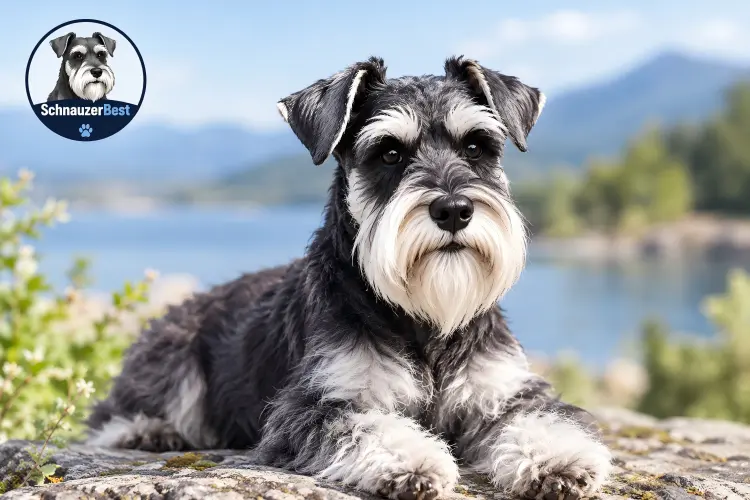
The Miniature Schnauzer is sturdy, compact, and muscular rather than delicate. Its rectangular-looking beard, prominent eyebrows, and alert expression create an unmistakable silhouette. According to the AKC breed standard, adults typically stand 12–14 inches tall at the shoulder.
Its distinctive double coat includes a wiry outer layer and a softer undercoat. This coat helps protect the dog, but it still requires regular maintenance. Although shedding is generally low, no coat eliminates every loose hair or allergen.
Popular Miniature Schnauzer Colors
Recognized colors vary by kennel organization and breed standard. Common colors include:
- Salt and pepper: A mixture of light and dark hairs creates a speckled appearance.
- Black and silver: Dark body coloring contrasts with lighter facial and leg markings.
- Solid black: A uniform black coat gives the dog a bold appearance.
- White: Some international breed standards recognize white Miniature Schnauzers.
The Federation Cynologique Internationale (FCI) recognizes these four color varieties. However, the AKC recognizes three standard colors: salt and pepper, black and silver, and black. Always check the relevant registry when choosing a show prospect.
Temperament: Small Dog, Big Attitude
Miniature Schnauzers are intelligent, alert, affectionate, and often wonderfully spirited. They usually enjoy spending time with their families and learning new activities. Their working background also makes them attentive to unfamiliar people, sounds, and changes around the home.
However, their watchdog instincts can lead to frequent barking. Early training helps teach them when to alert and when to settle. We should also provide regular socialization so they can approach new experiences with greater confidence.
Are Miniature Schnauzers Good Family Dogs?
Many Miniature Schnauzers thrive in active family homes. They can form close bonds with children when adults teach everyone to interact respectfully. A child’s temperament and behavior matter, just as the dog’s individual personality does.
For a positive family relationship, we recommend these simple habits:
- Supervise interactions between young children and dogs.
- Teach children not to pull ears, beards, or tails.
- Give the dog a quiet place to rest.
- Reward calm behavior around visitors and other pets.
Although friendly, these dogs may chase small animals because of their original rat-catching role. Introduce other pets carefully and never assume every dog will accept every animal.
Exercise, Training, and Daily Life
This energetic small dog needs more than a comfortable bed and a full food bowl. Daily walks, interactive games, and short training sessions help maintain physical and mental health. Many adults enjoy around an hour of combined activity each day, although individual needs vary.
Training Tips for Mini Schnauzers
Mini Schnauzers learn quickly, but their curiosity can compete with your instructions. Use short, rewarding sessions and keep activities interesting. Positive reinforcement usually works better than harsh corrections.
Try incorporating these activities into your routine:
- Practice basic commands such as sit, stay, and come.
- Offer puzzle toys and supervised scent games.
- Reward quiet behavior instead of responding to every bark.
- Introduce new people, places, and sounds gradually.
Consistency makes a real difference. A bored dog may invent its own entertainment, and your favorite shoes could become the unwilling participants.
Grooming: Keeping That Famous Beard Neat
Regular grooming keeps the coat comfortable and preserves its characteristic shape. Brush several times each week, paying special attention to the beard, legs, and areas prone to tangles. Check the ears, trim the nails when needed, and maintain regular dental care.
What Does Cutting a Schnauzer Involve?
Professional grooming often includes trimming the body while leaving the eyebrows and beard longer. Many owners schedule grooming every five to eight weeks, depending on coat growth and their preferred style. Show dogs may need hand-stripping to maintain the correct harsh outer coat.
Home maintenance matters between appointments. Clean the beard after messy meals, check for trapped debris, and gently comb out tangles. A tidy beard looks charming, but a clean, comfortable dog matters far more than a perfect haircut.
Health and Nutrition
Miniature Schnauzers often live around 12–15 years, although individual lifespans vary. Responsible care includes routine veterinary examinations, vaccinations, parasite prevention, and appropriate dental care. Owners should also monitor body weight and discuss suitable exercise and nutrition with their veterinarian.
The breed can face certain health concerns, including:
- Pancreatitis: Inflammation of the pancreas that may cause vomiting, abdominal pain, and reduced appetite.
- Hyperlipidemia: Elevated blood fats that can increase health risks.
- Urinary stones: Mineral deposits that may cause painful or difficult urination.
- Eye conditions: Some dogs develop inherited or age-related eye problems.
Choose a responsible breeder who performs appropriate health screening. Ask your veterinarian about breed-relevant testing and preventive care. Seek prompt veterinary attention for repeated vomiting, difficulty urinating, severe pain, or sudden changes in behavior.
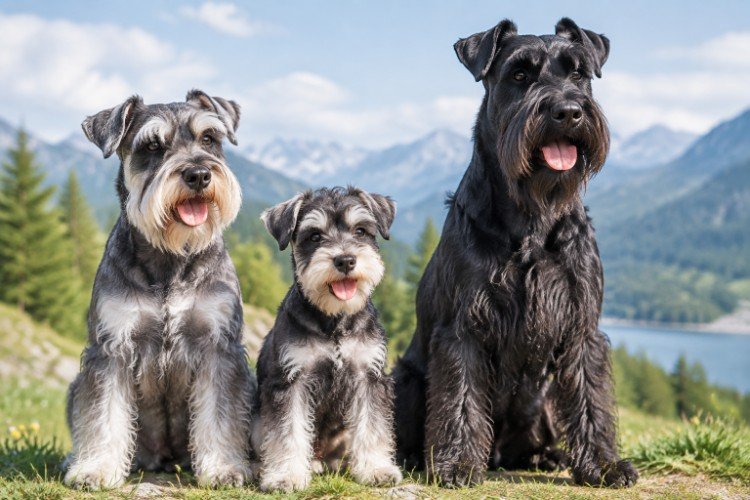
Miniature vs. Standard vs. Giant Schnauzers
All three varieties share recognizable features, but their sizes and original roles differ. The Standard Schnauzer represents the original medium-sized type, while the Miniature developed for smaller-scale farm work. Giant Schnauzers grew into larger working dogs with greater physical strength.
| Feature | Miniature | Standard | Giant |
|---|---|---|---|
| Size | Small | Medium | Large |
| Original role | Vermin control | Farm work and guarding | Driving livestock and guarding |
| Exercise needs | Moderate to high | Moderate to high | High |
| Living space | Adaptable | Benefits from room to move | Needs ample exercise and space |
| Common role today | Companion and watchdog | Companion and working dog | Companion and working dog |
The german schnauzer family offers different options for different households. Consider your activity level, available space, grooming budget, and training experience before choosing.
Conclusion: Is This Breed Right for You?
The Miniature Schnauzer combines a practical working heritage with an affectionate, entertaining personality. Its intelligence, manageable size, and distinctive coat make it appealing to many households. Still, prospective owners should prepare for regular grooming, daily activity, consistent training, and preventive veterinary care.
At SchnauzerBest, we believe responsible ownership starts with understanding the dog behind the beard. Whether you are researching mini schnauzers or comparing different dog breeds, take time to assess your lifestyle before making a commitment.
Ready to learn more? Explore our SchnauzerBest guides for practical advice on training, grooming, nutrition, and everyday breed care.