Meet the Three Schnauzer Types
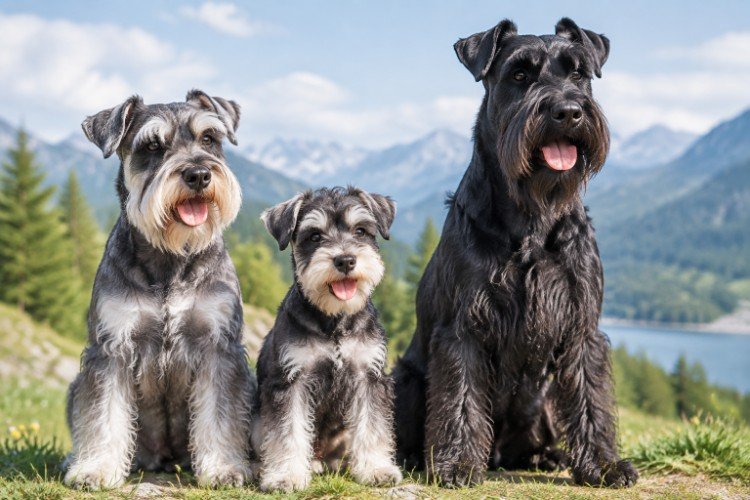
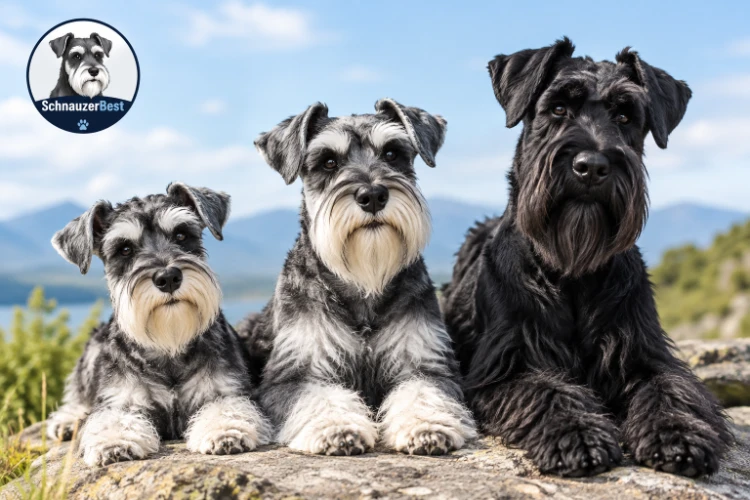
If you love the famous beard and eyebrows, you might assume every Schnauzer looks and acts alike. They share a common history, but size changes quite a lot. The three recognized varieties are the miniature schnauzer, standard schnauzer, and Giant Schnauzer. At SchnauzerBest, we think that difference makes this breed family especially interesting.
These types of schnauzer breeds developed for different jobs and lifestyles. The Standard served as the original working model, while smaller and larger varieties later filled different roles. Today, families often choose based on size, energy, grooming needs, and temperament. So, let’s compare the three without getting lost in a forest of dog-show terminology.
The Three Schnauzer Varieties at a Glance
All three share recognizable features, including a wiry coat, beard, and bushy eyebrows. However, their height, weight, energy, and traditional jobs vary. This quick comparison makes the differences easier to see.
| Variety | Typical role | Size | Energy | Common colors |
|---|---|---|---|---|
| Miniature | Companion, watchdog | Small | High | Salt and pepper, black, black and silver |
| Standard | Working dog, guardian | Medium | High | Salt and pepper, black |
| Giant | Guard dog, working dog | Large | High | Black, salt and pepper |
These schnauzer types all need exercise and mental stimulation. None fits the “leave me on the sofa all day” lifestyle particularly well. The smaller variety needs less physical space, but it still has plenty of personality. Meanwhile, the Giant can bring serious presence to a household.
1. Miniature Schnauzer: Small Body, Big Personality
The miniature schnauzer is the smallest member of the family. Despite its compact size, this dog usually carries itself with confidence and plenty of attitude. We love the combination of alertness, affection, and comic facial expressions. That beard can make a dog look deeply serious while it steals your sandwich.
Why Miniature Schnauzers Became Popular
Breeders developed the smaller variety from the Standard Schnauzer and other small breeds. People wanted a more compact dog that could work around homes and farms. The result became an energetic companion with useful watchdog instincts. Today, many families choose this small dog because it fits easily into different living environments.
Miniature Schnauzers typically enjoy games, walks, training, and interactive toys. Their size makes handling easier, but their brains still need work. A bored Miniature Schnauzer can quickly invent its own entertainment. Unfortunately, that entertainment may involve your shoes.
Miniature Coat and Grooming Needs
This variety has a double coated body with a wiry outer coat and a softer underlayer. Its soft undercoat helps provide insulation beneath the harsher topcoat. Coat texture can vary between individual dogs, especially after clipping. Owners should require regular grooming sessions to keep the coat clean and comfortable.
Common colors include salt and pepper, solid black, and black and silver. Regular brushing helps prevent matting, especially around the beard and legs. Professional trimming can also maintain the traditional outline. Good grooming keeps the schnauzer coat attractive while supporting skin comfort.
2. Standard Schnauzer: The Original Working Model
The standard schnauzer sits between the other two varieties in size. Many historians consider this the original form from which the other sizes developed. Farmers in Germany used these dogs for practical work centuries ago. Their jobs included guarding property, controlling pests, and accompanying livestock.
A True Working Dog
The Standard has a strong combination of intelligence, stamina, and confidence. Its working background helps explain why modern dogs often remain active and alert. A Standard usually wants to participate rather than simply watch from the sidelines. We find that attitude charming, although it can challenge owners who prefer a quiet household.
This variety can make an effective guard dog because it notices unusual sounds and activity. However, good socialization matters from puppyhood. Owners should teach calm responses rather than encourage excessive guarding. Positive training gives this intelligent dog a clear job without creating unnecessary tension.
Standard Schnauzer Coat and Appearance
The breed developed its characteristic wiry coat for practical reasons. The harsh outer coat helped protect the dog during outdoor work. Beneath it, the softer layer provided additional insulation. These dogs still require regular brushing and trimming to maintain coat quality.
The breed standard describes the desired structure, proportions, coat, and colors. Salt and pepper remains strongly associated with the variety, while black also appears. The familiar beard and eyebrows give the face its distinctive expression. Those eyebrows may look decorative, but they originally formed part of a practical working appearance.
3. Giant Schnauzer: The Powerful Guardian
The Giant Schnauzer brings the same family traits into a much larger frame. This variety developed for demanding work and later gained recognition as a serious guard and service dog. Its size gives it impressive physical strength. However, size alone does not create a reliable working companion.
Strong, Athletic, and Highly Trainable
Giant Schnauzers need plenty of physical activity and mental challenges. They often enjoy advanced obedience, structured games, and other purposeful activities. Without enough stimulation, their strength and intelligence can become difficult to manage. For that reason, experienced owners often appreciate their working instincts.
This variety can excel as a guard dog, but responsible training remains essential. Early socialization helps the dog understand normal situations and unfamiliar environments. Owners should build confidence through controlled experiences rather than harsh corrections. A well-trained Giant can become a devoted and highly responsive family companion.
Giant Schnauzer Health and Size
Large dogs face some risks that smaller dogs encounter less often. Potential health issues can include hip dysplasia, joint problems, and other inherited conditions. Responsible breeders use appropriate health screening to reduce avoidable risks. Regular veterinary care also helps owners identify problems early.
The Giant’s larger body means owners must consider exercise, food, space, and training carefully. A powerful dog needs equipment and handling that match its strength. In other words, the cute puppy eventually becomes a very large roommate. Planning for the adult dog makes ownership much easier.
How Are the Three Types Different?
The biggest difference is obvious: size. Yet different schnauzer types also show differences in traditional purpose, physical demands, and household suitability. The Miniature generally suits people seeking a compact companion. The Standard offers a balanced combination of working ability and manageable size.
The Giant requires more space, training commitment, and physical control. All three can be affectionate and intelligent, but their needs remain different. Their shared history explains many similarities, while selective breeding explains the differences. That makes the family more complicated than simply choosing the “small, medium, or large” option.
Schnauzer Coat Types and Grooming
When people search for schnauzer coat types, they often expect major differences between the three varieties. In reality, all three share the characteristic double-coat structure. A typical coat includes a harsh outer layer and a softer undercoat. Texture, density, color, and grooming results can vary between individual dogs.
Owners should brush regularly and monitor areas prone to tangles. The beard, legs, and furnishings deserve particular attention. Grooming schedules also depend on the desired appearance and coat length. Regular maintenance helps prevent matting and keeps the dog looking tidy.
Which Type Is Right for Your Lifestyle?
Choosing among the schnauzer dog types starts with an honest look at daily life. Consider these questions before choosing a puppy or adult dog:
- Want a compact companion? Consider the Miniature.
- Want a versatile working companion? Look closely at the Standard.
- Want a large guardian and athletic partner? The Giant may fit your lifestyle.
- Prefer lower physical demands? Remember that all three need regular activity.
- Dislike grooming? None of these varieties offers a completely maintenance-free coat.
- Enjoy training? All three can benefit from consistent, positive instruction.
We also recommend considering adult size rather than puppy size. A Giant puppy may look manageable today, but those paws offer a rather obvious preview. Likewise, the Miniature may look like a lapdog while carrying the confidence of a much larger animal. Personality matters, but daily needs should guide the decision.
From Farm Worker to Beloved Family Dog
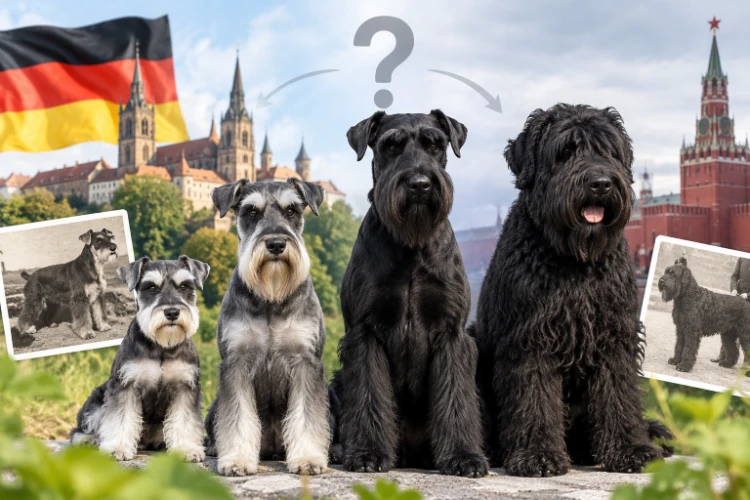
The story of these varieties stretches back into German dog history. The Standard type developed as a practical working dog, particularly during the 19th century. Breeders later developed smaller and larger varieties for different purposes. Over time, their roles expanded from farms and property protection to companionship and specialized work.
That history still appears in modern behavior. Many dogs remain alert, energetic, curious, and eager to participate. Understanding where these traits came from can make training easier. Instead of asking why your dog cannot relax, you might remember that somebody bred its ancestors to stay busy.
Final Thoughts on the Three Schnauzer Types
The three varieties share a recognizable family identity, but they offer very different ownership experiences. The Miniature brings compact size and plenty of personality, while the Standard combines versatility with a strong working heritage. The Giant adds greater size, strength, and serious working ability.
At SchnauzerBest, we think the most important question isn’t which variety looks best. Instead, ask which dog’s needs match your lifestyle, experience, time, and home. Once you understand the differences, choosing between these types of schnauzer becomes much clearer. And yes, whichever one you choose, that magnificent beard will probably end up covered in something mysterious.