A healthy-looking schnauzer nose can tell us quite a bit about our dog’s everyday condition. However, it can also create unnecessary worry for pet parents. A nose may feel dry after a nap, look different after grooming, or develop small changes with age.
At SchnauzerBest, we know how quickly owners notice tiny details. That famous whiskered face practically invites inspection. Fortunately, most nose changes do not mean serious illness. Still, some changes deserve attention, especially when they appear suddenly or come with other symptoms.
What Should a Schnauzer Nose Look Like?
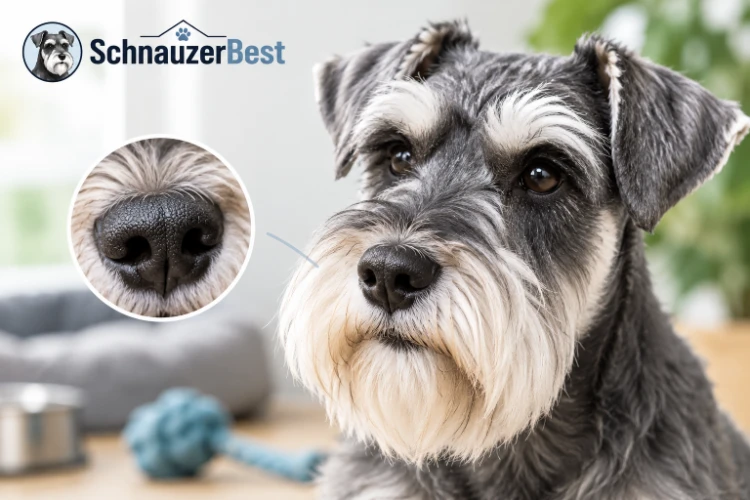
For most Schnauzers, the nose should have solid, dark pigmentation. Breed standards describe a black nose as a defining feature, including in Miniature Schnauzers. The coat can vary from salt and pepper to black, but nose pigmentation remains distinct.
Black Pigmentation Is Usually Normal
A healthy nose often looks black, smooth, and slightly textured. It may feel cool or moist at certain times of day. However, moisture can change naturally throughout the day.
Our dogs also use their noses constantly. They sniff grass, toys, food bowls, furniture, and anything else that looks remotely interesting. That busy lifestyle can make the nose look less perfect than a show-ring photograph.
What About Different Schnauzer Sizes?
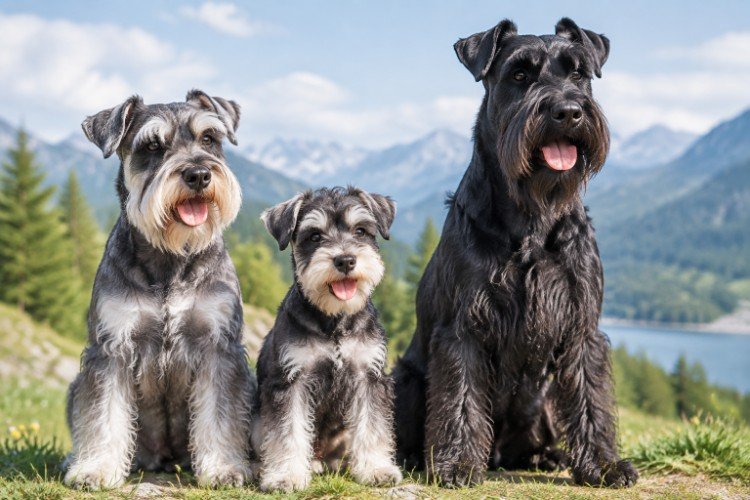
The giant schnauzer, Standard Schnauzer, and Miniature Schnauzer share important breed traits. Their wiry double coat and strong facial furnishings make them instantly recognizable.
Breed size does not mean every nose will look identical. Age, environment, grooming habits, and individual skin condition can influence appearance. Therefore, we should compare the nose with the dog’s own normal appearance.
Is a Dry Schnauzer Nose a Problem?
A dry nose alone usually does not prove that a dog feels unwell. Healthy dogs can develop a warm or dry nose after sleeping. Wind, sunlight, age, and strenuous exercise can also contribute to temporary dryness.
Common Reasons for Temporary Dryness
Several everyday situations can explain a dry nose:
- Sleeping for several hours
- Dry indoor air
- Strong wind or sunlight
- Recent exercise
- Mild dehydration
- Normal changes with age
- Exposure to outdoor elements
So, don’t panic over one dry morning. Instead, look at the whole dog. If your Schnauzer eats, drinks, plays, and behaves normally, temporary dryness may not signal a problem.
When Dryness Becomes More Concerning
Dryness becomes more important when the skin starts cracking or developing sores. Redness, crusting, swelling, or bleeding also changes the picture. VCA recommends veterinary attention when dryness appears alongside illness signs or damaged skin.
This is where observation matters. We should not diagnose a condition from a photograph or one unusual day. Instead, we should watch for a pattern and note any changes.
Nose Color Changes: What Can Cause Them?
A sudden change in pigmentation deserves closer attention. The cause can range from minor irritation to a skin disorder. Veterinary dermatology sources list infectious, environmental, immune-mediated, genetic, and other causes of nasal disease.
Depigmentation
Depigmentation means the nose loses some of its normal color. The change may appear as small pale areas or larger patches. In some cases, depigmentation occurs with inflammation, crusting, erosion, or ulcers.
Discoid lupus erythematosus, for example, can cause pigment loss around the nose. It may also create erosions, ulcers, and changes to the normal textured surface.
That does not mean every pale patch represents lupus. Far from it. A veterinarian needs the dog’s history and physical examination to identify the actual cause.
Darkening and Other Skin Changes
Dogs can also develop excessive pigmentation after chronic irritation or inflammation. Veterinary sources describe hyperpigmentation as a response rather than a single disease. It can accompany skin thickening, hair loss, infection, or inflammation.
Therefore, color alone tells only part of the story. Texture and surrounding skin matter too.
Nose Changes After Grooming
Regular grooming keeps the Schnauzer coat looking sharp. However, cutting a schnauzer can change how the muzzle looks dramatically. Shorter facial hair may expose skin that owners rarely notice.
Our Schnauzers have distinctive furnishings around the muzzle and eyes. Those hairs can hide minor redness, flakes, or irritation. After grooming, inspect the skin gently without scrubbing the area.
Watch for Irritation
A grooming-related problem may involve redness, scratching, rubbing, or discomfort. Excessive scratching can further irritate already sensitive skin. Persistent irritation deserves a closer look.
Avoid applying random creams or human skincare products. Some ingredients can irritate dogs or cause problems if they lick them. When the skin looks damaged, ask your veterinarian before starting treatment.
When Is a Nose Change a Warning Sign?
A nose change becomes more concerning when several symptoms appear together. We should pay particular attention to changes that persist, worsen, or affect the dog’s normal behavior.
Signs That Deserve a Vet Check
Contact your veterinarian if you notice:
- Persistent cracking or bleeding
- Open sores or ulcers
- Significant swelling
- Thick crusts that keep returning
- Sudden or progressive pigment loss
- Unusual nasal discharge
- Repeated nose rubbing
- Facial pain or sensitivity
- Hair loss around affected skin
- Loss of appetite or energy
- Unexplained weight loss
- Other new health problems
Merck Veterinary Manual notes that nasal diseases can cause depigmentation, crusting, ulceration, swelling, and discharge. Some conditions require skin testing, cultures, or biopsy for diagnosis.
The key word here is persistent. One unusual morning does not tell us much. A change that continues for days or progresses deserves professional attention.
Could Nose Problems Connect With Other Health Issues?
Sometimes, yes. However, we should avoid jumping from one nose symptom to a serious diagnosis. Many unrelated conditions can produce similar skin changes.
For example, some systemic diseases can cause skin or coat abnormalities. Hypothyroidism can cause hair loss, poor coat quality, and skin darkening. Other illnesses may produce broader signs such as appetite changes or lethargy.
Likewise, breed-specific health issues deserve routine monitoring. Miniature Schnauzers can face conditions such as urinary stones, pancreatitis, hyperlipidemia, and certain eye problems. These conditions do not automatically explain a nose change.
Terms such as heart disease or kidney disease may sound alarming. A nose change alone does not diagnose either condition. Your veterinarian should evaluate the entire dog before connecting symptoms.
How Pet Parents Can Monitor a Schnauzer Nose
We don’t need to become amateur dermatologists. A simple routine works surprisingly well.
Use a Simple Weekly Check
During regular grooming, take a few seconds to inspect:
- Color — Is the pigmentation consistent?
- Texture — Does the surface look normal?
- Skin — Do you see redness, cracks, or crusts?
- Hair — Is there unexpected hair loss?
- Discharge — Is anything coming from the nostrils?
- Behavior — Does your dog seem uncomfortable?
- Progression — Is the change getting worse?
Take a clear photograph if you notice something unusual. A photo can help you compare the area over time. It can also give your veterinarian useful background during an appointment.
Does Breed History Explain the Schnauzer Nose?
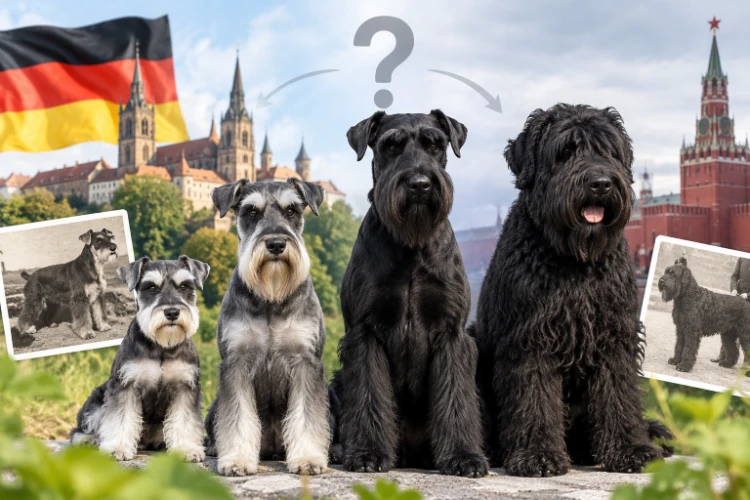
The Schnauzer family has deep German roots. The Standard Schnauzer developed as a farm and work dog, with roles that included guarding and pest control. The Miniature Schnauzer later developed from this German lineage and became a smaller farm companion and ratter.
That history explains much of the breed’s practical character. These dogs were not designed to sit around looking decorative. They used their senses constantly and stayed active.
The phrase german schnauzer or german schnauzer may appear in searches about breed history. Likewise, searches involving terrier and schnauzer genes often reflect curiosity about ancestry and classification. These terms do not explain every modern skin change.
Interestingly, the phrase schnauzer nose slang may also appear in casual online searches. That usage differs from veterinary terminology and should not be confused with an actual medical description.
A Simple Rule for Schnauzer Owners
The best approach combines observation with common sense. A dry nose without other symptoms usually does not justify panic. A changing nose with sores, bleeding, swelling, discharge, or broader illness signs deserves veterinary attention.
We also recommend looking beyond the nose. Appetite, energy, weight, coat condition, and behavior provide valuable context. If something feels different long term, it is better to ask than to guess.
Your Schnauzer may have the face of a serious little guarding dog, but that expression can fool us. Sometimes the dramatic nose is simply a nose having a normal day. Other times, a small change becomes an early warning sign.
If you are unsure, give your veterinarian a call. If the change continues or worsens, it is time to schedule an examination. A few minutes of professional advice can provide much more confidence than hours of internet searching.
Final Thoughts
A Schnauzer’s nose deserves attention, but it does not deserve unnecessary fear. Normal pigmentation is usually dark, while temporary dryness can happen in healthy dogs. Changes in color, texture, discharge, or surrounding skin deserve more attention when they persist or appear with other symptoms.
At SchnauzerBest, we believe informed pet owners make calmer and more confident decisions. Regular grooming gives us an excellent opportunity to notice changes early. And when something genuinely looks unusual, our best tool remains simple: observe carefully, document the change, and talk with a veterinarian.